


Cart
0
-
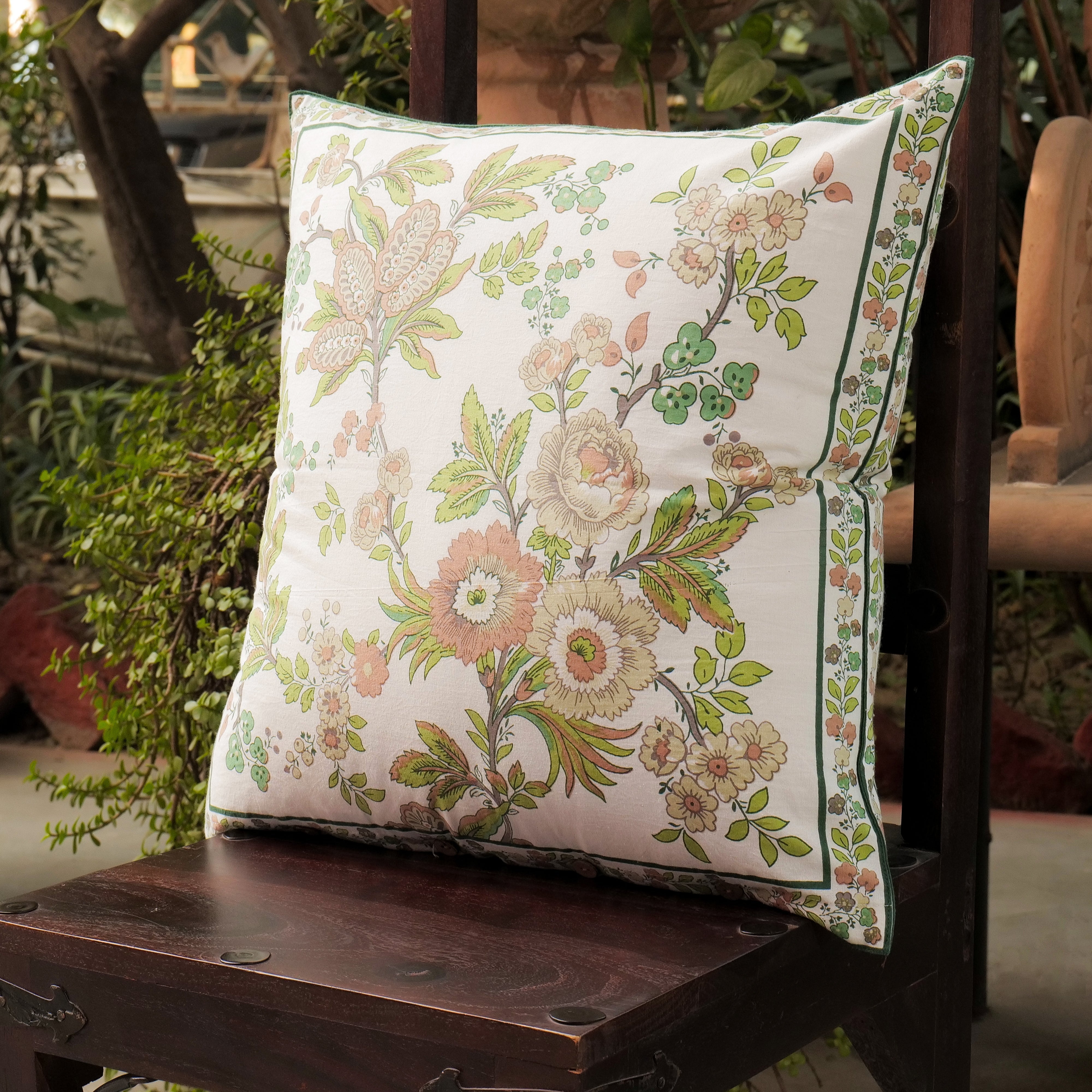
Cushion covers are the most underestimated tool in home decor. They are small, they are relatively inexpensive, they require no installation, no commitment, and no irreversible decision. They can be changed in minutes. And they change the character of a sofa, a bed, or a reading chair more visibly and immediately than almost any other single purchase.
This is the article for anyone who has looked at their living room or bedroom and known something needed to change but not known where to start. Cushion covers are almost always the right answer to that question.
What Cushion Covers Actually Do
A cushion cover does not simply decorate a cushion. It introduces colour, print, and texture to a surface that is at eye level and in direct contact with the people using the room. A sofa with plain cushions reads as functional. The same sofa with two or three printed cushion covers in a considered palette reads as a room that someone has thought about.
The effect is disproportionate to the cost and effort. Two cushion covers on a plain sofa take thirty seconds to change and the room looks different immediately. This is the specific value of the cushion cover as a decor tool: it produces visible results without requiring anything else to change.
How Many Cushion Covers You Need
The right number depends on the piece of furniture and the effect wanted.
For a two-seater sofa: two to four cushion covers. Two is the clean, minimal version. Four gives a more layered, generous feel. More than four on a two-seater looks crowded and reduces usable seating.
For a three-seater sofa: four to six cushion covers. An even number produces a symmetrical arrangement. An odd number, three on one side and two on the other, or five spread across the full length, produces a more relaxed, asymmetric look that suits casual rooms.
For a double bed: two to four decorative cushion covers in front of the sleeping pillows. Two is sufficient for most double beds. Four, in two complementary pairs, produces a fuller arrangement.
For a king bed: four to six decorative cushion covers. The larger surface area at the head of the bed has room for more without looking crowded.
For a single chair or armchair: one or two cushion covers. More than two on a chair reduces the usable seat.
Choosing the Right Print
The print on a cushion cover should have a relationship with the room it is going into, not simply be a pattern the buyer finds appealing in isolation.
The relationship can take one of three forms.
The cushion cover picks up a colour already present in the room. A room with terracotta walls benefits from cushion covers with terracotta in the print. A room with a sage green sofa benefits from cushion covers with sage in the palette. The cushion cover does not need to match the existing element exactly: it needs to belong to the same colour family.
The cushion cover provides contrast in a room that needs more visual interest. A room of entirely neutral tones, beige walls, a cream sofa, wooden floors, benefits from cushion covers in a richer, warmer tone. A botanical print in deep green and coral on a neutral sofa changes the room significantly without requiring any other change.
The cushion cover extends a print or aesthetic that is already present. If the room has a floral tablecloth, a botanical print cushion cover in the same palette on the adjacent seating creates a visual thread between the two spaces. The two pieces do not need to match. They need to speak the same language.
Size Matters
Cushion covers come in standard sizes. The most common in Indian retail are 40 by 40cm, 45 by 45cm, and 50 by 50cm for square cushions, and various rectangular sizes.
The cover size must match the inner cushion dimensions. A 45cm cover on a 40cm inner cushion produces a flat, underfilled cushion that looks deflated. A 45cm cover on a 50cm inner produces a tightly filled, full cushion that holds its shape and looks substantial. Most interior designers use an inner cushion one size larger than the cover for precisely this reason.
In practical terms: if buying cushion covers in a 45 by 45cm size, fill them with 50 by 50cm inner cushions. The extra filling makes a visible difference to how full and composed the cushion looks.
Combining Multiple Cushion Covers
When using several cushion covers together, the principle is the same as combining any textiles: one element leads, the others support.
One dominant print, one or two supporting elements. The dominant print is typically the largest or most colourful cushion in the arrangement. The supporting cushions are in a plain colour drawn from the dominant print, or in a secondary print at a much smaller scale.
Specifically for Indian rooms: a large-scale botanical print cushion paired with plain cushions in the deepest tone in the botanical. Or a floral print cushion paired with a small-scale geometric in a toning colour. Or three plains in toning tones from the same palette for a calm, cohesive result.
What does not work: four cushion covers in four different unrelated prints at the same scale. The eye has nowhere to settle. Each print competes for attention and none of them wins.
Seasonal Flexibility
Cushion covers are among the easiest home textiles to change seasonally, which makes them a practical tool for keeping a room feeling fresh across the year.
In summer, lighter prints in aquas, soft corals, sage greens, and cream grounds feel appropriate to the season and the heat. In winter, richer and deeper prints in jewel tones, warm golds, and deep florals bring warmth to the room visually.
Maintaining two sets of cushion covers, one for the warm months and one for the cool months, is a low-cost way to give a room a seasonal quality without changing anything structural. The changeover takes five minutes. The result is a room that feels as if it belongs to the time of year.
Care
Cotton cushion covers wash well at 40 degrees. Remove the inner cushion before washing. Wash covers separately from inner cushions. Air dry and iron while slightly damp for a clean, smooth finish before replacing the inner.
Store unused sets clean and folded in a breathable cotton bag. Seasonal storage in plastic bags causes the same yellowing and mustiness that plastic causes in table linen.
Frequently Asked Questions
How do cushion covers change the look of a room? Cushion covers introduce colour, print, and texture at eye level and in direct contact with the surfaces people use most. A plain sofa with two printed cushion covers in a considered palette reads as a room that has been thought about. The change is immediate and visible without requiring any other element in the room to change.
How many cushion covers do you need for a sofa? Two to four for a two-seater sofa. Four to six for a three-seater. The right number gives the sofa a full, generous look without reducing usable seating. Odd numbers, three or five, produce a more relaxed arrangement. Even numbers produce a more symmetrical one.
How do you choose cushion covers that work in a room? Choose a print that picks up a colour already present in the room, provides contrast in a room of neutral tones, or extends a print or aesthetic already present elsewhere in the space. The cushion cover should have a relationship with the room rather than being a pattern chosen in isolation.
Should cushion covers match the sofa or the room? Neither exactly, but both partially. A cushion cover that matches the sofa exactly disappears against it. One that has no relationship to the room looks disconnected. The most effective cushion covers pick up one or two colours from the room and introduce a print or texture that the room does not yet have.
What size cushion covers work best for a sofa in an Indian home? 45 by 45cm and 50 by 50cm are the most widely used sizes for sofa cushions in Indian homes. Fill 45cm covers with 50cm inner cushions for a full, composed look. Flat or underfilled cushions look deflated regardless of how good the cover print is.
How do you wash cotton cushion covers? Remove the inner cushion. Machine wash the cover at 40 degrees with mild detergent. Air dry and iron while slightly damp. Replace the inner cushion once the cover is fully dry. Wash covers separately from inner cushions to allow both to clean properly.
A cushion cover is the smallest significant change available to a room. It costs less than almost any other home decor purchase, installs in seconds, and produces visible results immediately. For a room that needs refreshing, a sofa that needs life, or a bedroom that needs finishing, two or three well-chosen cushion covers are almost always the most efficient place to start.
Shop printed and floral cushion covers at April Cornell India.
Suggested tags: cushion covers India, floral cushion covers, printed cushion covers, sofa cushion covers, bedroom cushion covers, how to choose cushion covers, home decor Indi